אלכסנדר בוגן | אמן ופרטיזן
השנים הפולניות 1947-51
פרוייקט שימור מורשת אמנות ומרי
בעבודתי לא הסתפקתי באור הבוהק והשמיים הכחולים של הנוף. היה לי צורך רוחני לבטא מסר אנושי–חברתי או מוסרי–אוניברסלי. לא יכולתי להיות אדיש נוכח המתרחש בעולם העכשווי. בציוריי ובפסליי ראיתי דרך להגיב על כאב הרציחות מצד אחד, ועל אמונתי בערכים הומניים מצד שני. האירועים הטרגיים באירופה, באפריקה ובמקומות נוספים בעולם החזירו לי אסוציאציות מן העבר האפל במלחמת העולם השנייה
אלכסנדר בוגן (1916-2010) היה אמן חזותי אמיץ, רב פנים וייחודי, מנהיג פרטיזנים מעוטר במלחמת העולם השנייה, שחקן מפתח בתרבות היידיש במאה ה-20, ומהחלוצים פורצי הדרך לחינוך לאמנות ולהתאגדויות האמנים במדינת ישראל. יצירותיו נמצאות במוזיאונים ובאוספים חשובים ברחבי העולם, ואמנותו, חייו ומורשתו מהווים עדות ומופת של ביטוי יצירתי משנה מציאות.
כתוב את הכותרת כאן
הנצחת אמנותו ומורשתו היא מטרה ציבורית ראשונה במעלה, למען הדורות הבאים. כך גם ראה את הדברים המנוח עצמו, בעודו בחייו, וכך אף ציווה במפורש בצוואתו.
כתוב את הכותרת כאן

chapter 1
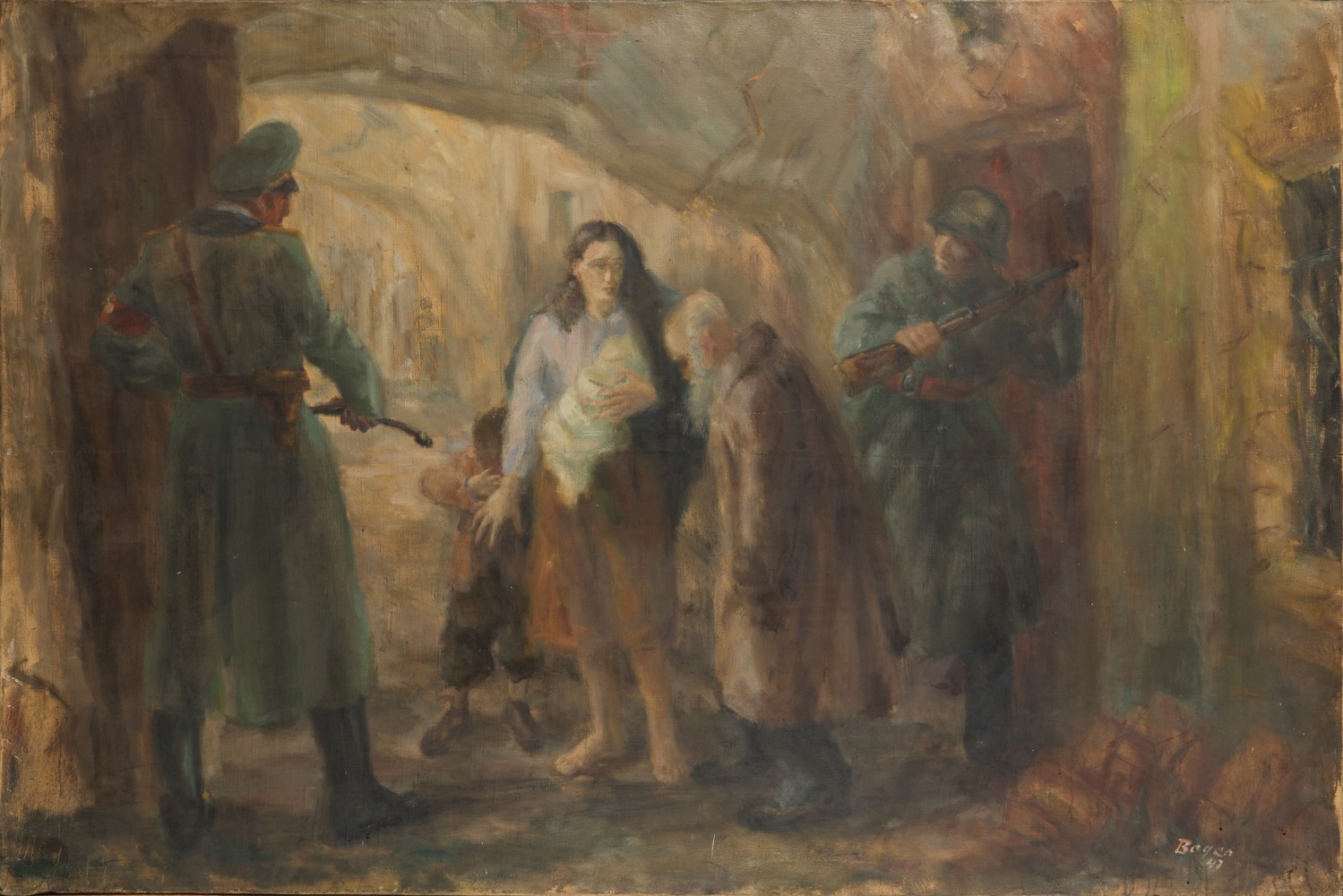
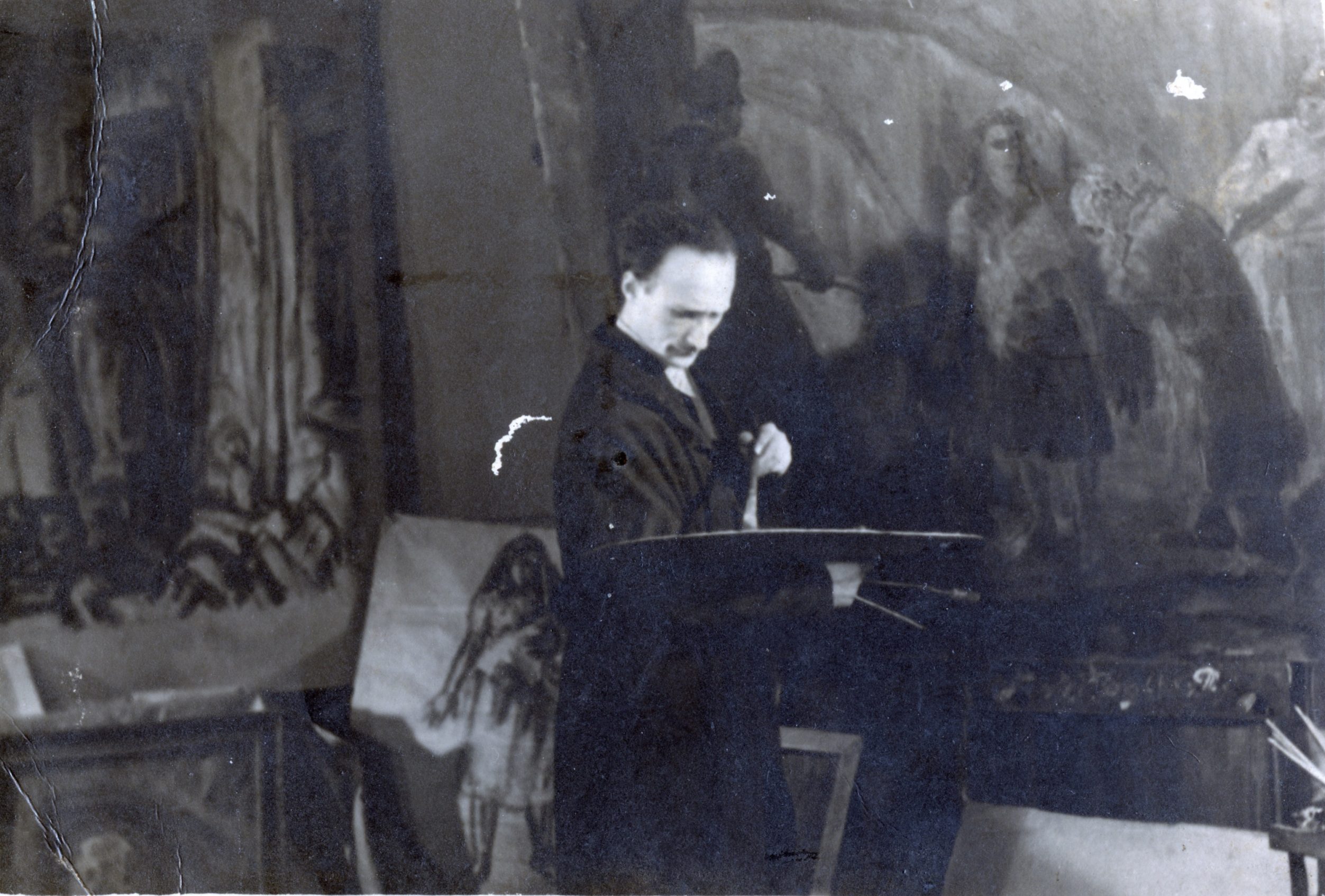
Bogen graduated from university in 1947 with a diploma project entitled The Last Family in the Ghetto which, as he said in the interview of 1984, was to be his “symbolic closure of the past”37.
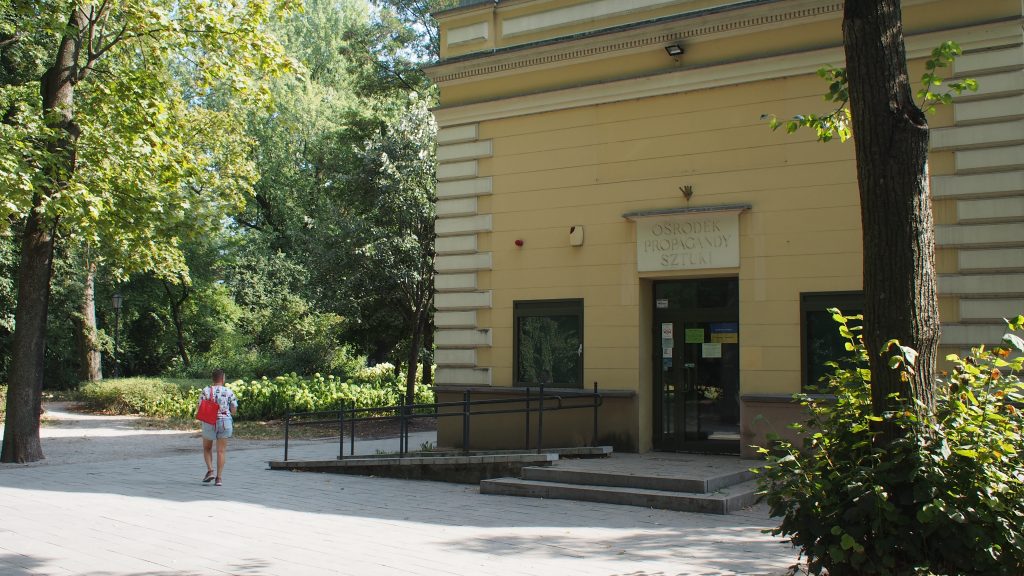
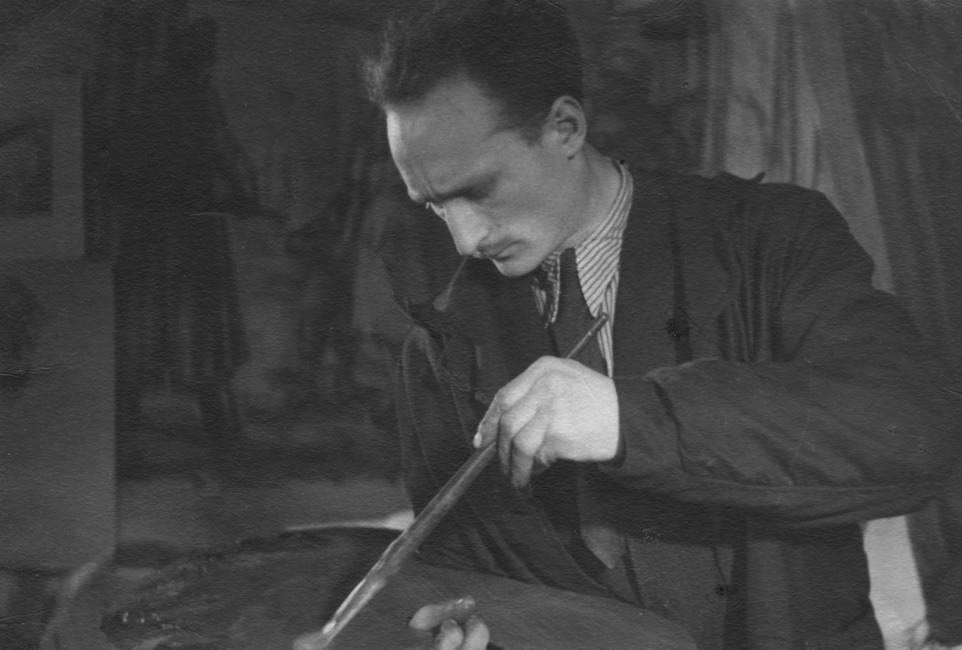
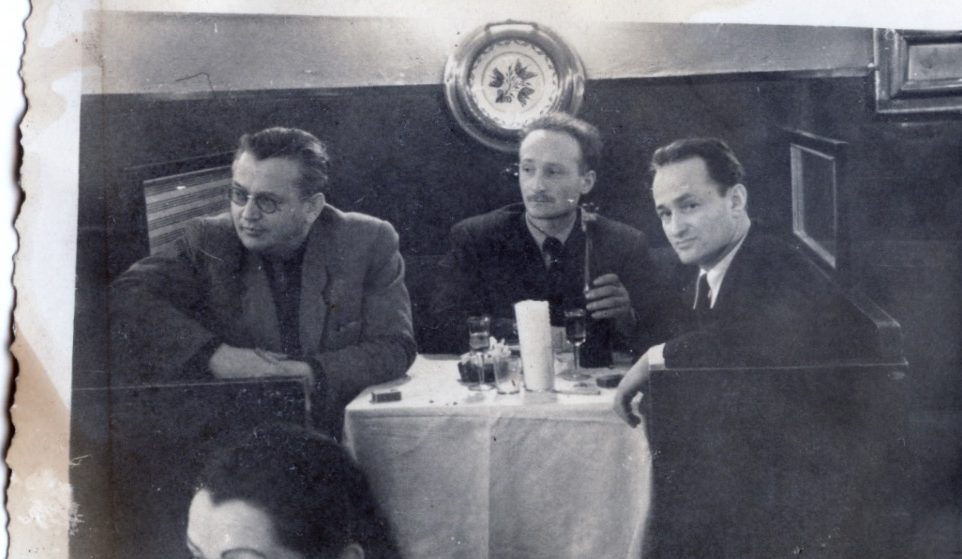
The three years he spent in the city were prosperous to him. He remembered the period well, even after long years. “When I was in Łódź, in Poland, I felt great there. I was a known artist, the government commissioned my work. I had a large studio and a beautiful apartment, and I was completely safe”26. After he came to Łódź, he became member of the JSAFA. He also benefited from the financial support offered by the CCJP27. He cooperated with Adam Muszka and Józef Sandler on collecting works by Jewish artists. He also took a teaching position at the State School of Plastic Arts (SSPA)28. He participated in exhibitions organised by the APAD and the JSAFA. In 1949, he had an individual exhibition at the Art Propaganda Centre in Łódź. He shared exhibition halls with Janina Muszkietowa (1903-1956)29 who had her retrospective exhibition there. He eventually emigrated with his family to Israel in 1951.
Bogen’s works, delighting viewers with the ability to translate the manifestations of life into a mass of colours and synthetic form, can be found in museums and private collections across Europe, both Americas and Asia. In Poland, they are showcased at the NCU Museum in Toruń, and at the “Polin” Museum of the History of Polish Jews. Boden’s wartime drawings can be admired at the Holocaust…
chapter 2
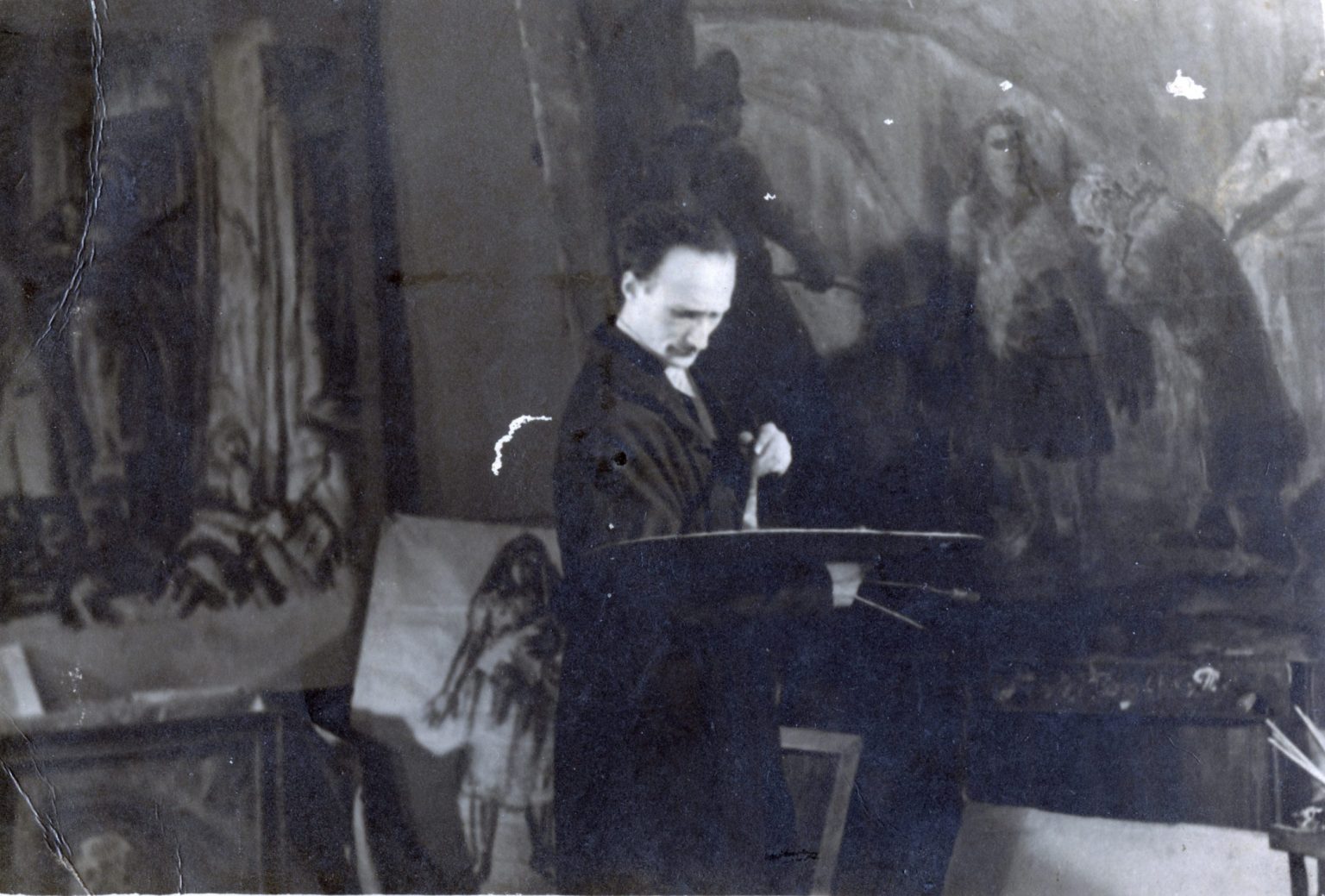
Bogen was a versatile artist. He created oil paintings, watercolours and gouaches, drawings, graphic art, sculptures, and murals. He designed theatre stages, and illustrated literature. Influenced by the school of Vilnius colourists, he spent his life searching for colours that would render his delight for the ever-reviving nature and humans in the most perfect way possible. His extraordinary sensitivity to colours allowed him to experience the interrelations between them and the world of sounds. He would assert this fascination on multiple occasions: “When I paint with watercolour, gouache or pastels, I can find a proper musical sound of colours and their wonderful clarity at the first stroke of my brush”31.His art evolved from the realistic, expressionist representations of partisan combat and scenes from the liquidation of the ghetto through the synthesis of forms towards abstraction. Although his oeuvre predominantly includes cheerful landscapes, figural scenes and compositions built only with colours, referring mostly to Middle East landscapes, it also has motifs referring to the trauma of the Holocaust, at times as separate paintings, and on other occasions as elements aimed at disrupting the idyllic image of the world.…

chapter 3
Bogen was a versatile artist. He created oil paintings, watercolours and gouaches, drawings, graphic art, sculptures, and murals. He designed theatre stages, and illustrated literature. Influenced by the school of Vilnius colourists, he spent his life searching for colours that would render his delight for the ever-reviving nature and humans in the most perfect way possible. His extraordinary sensitivity to colours allowed him to experience the interrelations between them and the world of sounds. He would assert this fascination on multiple occasions: “When I paint with watercolour, gouache or pastels, I can find a proper musical sound of colours and their wonderful clarity at the first stroke of my brush”31.
His art evolved from the realistic, expressionist representations of partisan combat and scenes from the liquidation of the ghetto through the synthesis of forms towards abstraction. Although his oeuvre predominantly includes cheerful landscapes, figural scenes and compositions built only with colours, referring mostly to Middle East landscapes, it also has motifs referring to the trauma of the Holocaust, at times as separate paintings, and on other occasions as elements aimed at disrupting the idyllic image of the world.…
chapter 4
Bogen was a versatile artist. He created oil paintings, watercolours and gouaches, drawings, graphic art, sculptures, and murals. He designed theatre stages, and illustrated literature. Influenced by the school of Vilnius colourists, he spent his life searching for colours that would render his delight for the ever-reviving nature and humans in the most perfect way possible. His extraordinary sensitivity to colours allowed him to experience the interrelations between them and the world of sounds. He would assert this fascination on multiple occasions: “When I paint with watercolour, gouache or pastels, I can find a proper musical sound of colours and their wonderful clarity at the first stroke of my brush”31.
His art evolved from the realistic, expressionist representations of partisan combat and scenes from the liquidation of the ghetto through the synthesis of forms towards abstraction. Although his oeuvre predominantly includes cheerful landscapes, figural scenes and compositions built only with colours, referring mostly to Middle East landscapes, it also has motifs referring to the trauma of the Holocaust, at times as separate paintings, and on other occasions as elements aimed at disrupting the idyllic image of the world.…
שותפות
Erasmus+ Coordinator, Institute of Art History, Faculty of Historical Sciences Cardinal Stefan Wyszyński University in Warsaw
Senior Curator / Researcher
תומכות


Bogen Arc for Partisan Arts is an independent project operating as part of Bar-Kayma: Sustainabilty for Culture, Art, Music and Peace (Registered non-profit)
Donations are Tax deductible in Israel (section 46A). Donations via JGive are tax deductible in US (501c), UK, and Canada